Quantum HDR Explained: Everything You Need To Know Before Buying A Samsung Tv

Now, when we walk into the store or browse our devices to get a new TV, and then we see different types and models.
Some of us don’t even know what the name of the TV implies, we see things like HDR, quantum HDR, quantum HDR+, neo quantum HDR, neo quantum HDR+ and more and then we get lost, like what’s the difference, I can still watch movies on them right?.
Well don’t worry, because if you wanted to know what all these grammar means and how they’ll affect your viewing experience before you buy any other TV accessories, well you came to the right place, we’re going to dove into all these TVs and know what make each different from others.
What Quantum HDR Means
So, first things first, what does Quantum HDR mean, because all these TVs seem to have that in its name
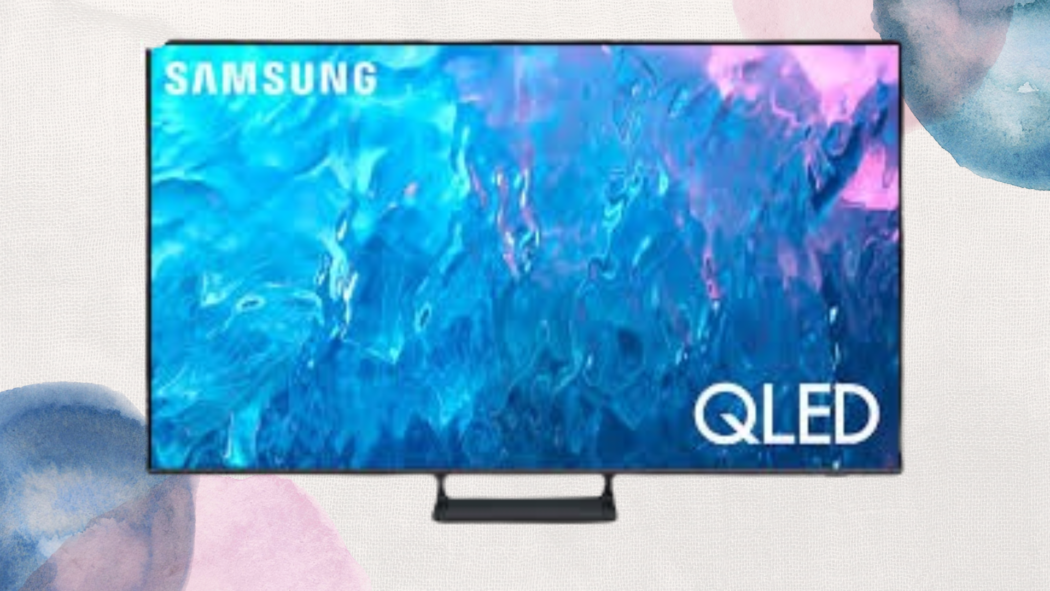
Well Quantum HDR is just Samsung’s branding for an advanced form of HDR (which is High Dynamic Range) technology that’s used in it’s QLED and Neo QLED TVs. In simple terms, it’s the ability for the laptop to show brighter highlights, deeper shadows and more realistic colours than a normal TV.
This improvements in the TV makes, watching movies, playing games and streaming content looks closer to real life, especially with things with strong contrast such as sunset, explosions or dark night environments.
At its core, the Quantum HDR still relies on common HDR standards like HDR10 and HDR10+, but Samsung enhances the experience by using quantum dot color technology, higher peak brightness levels, and smarter gimage processing.
These upgrades allow compatible TVs to show us more detail in both very bright and very dark areas of the screen at the same time. Samsung uses the term “Quantum HDR” mainly for branding and differentiation.
Instead of using generic HDR labels, the company highlights the extra brightness and color performance of its premium displays. Variations such as Quantum HDR+, Neo Quantum HDR, and Neo Quantum HDR+ just indicates the different performance levels, usually tied to higher brightness capability and more advanced backlighting like Mini-LED.
So, in short, Quantum HDR means a brighter, more detailed, and more color-accurate HDR experience designed to showcase the full visual power of Samsung’s modern TVs.
How HDR Works on TVs
Now then, how does the HDR work on these TVs. High Dynamic Range (HDR) is a display technology designed to show a wider range of brightness, contrast, and color than traditional Standard Dynamic Range (SDR) TVs.
Instead of flattening the bright and dark areas into the same limited range, HDR allows the TV to display intense highlights and deep shadows at the same time, making the images look more natural and lifelike than the SDR.
For HDR to work properly, three things must come together: Firstly, a HDR-compatible content, then a supported format, and lastly, a capable TV panel. Movies or shows are first mastered in HDR, storing extra brightness and color information. That data is then interpreted by the TV, which then adjusts the light output and color levels scene by the scene to preserve detail that would normally be lost on older displays.
You should know that there are several major HDR formats. HDR10 is the most common open standard and is supported on nearly all modern TVs. HDR10+, which Samsung promotes, adds dynamic metadata so brightness and contrast can be optimized for every scene rather than the entire movie.
Another format, Dolby Vision, also uses dynamic metadata but is not included on Samsung TVs, which is why Samsung focuses heavily on HDR10+ performance. HDR matters most in movies, streaming, and gaming because these types of content are created with high contrast and vivid color in mind. Bright reflections, realistic skin tones, detailed dark scenes, and colorful environments all benefit from HDR processing.
When combined with high peak brightness and strong local dimming, features common in QLED and Neo QLED models, the visual difference becomes much more noticeable for you to see. In essence, HDR is what allows modern TVs to move beyond those flat looking images and deliver depth, realism, and cinematic picture quality, forming the foundation on which Samsung’s Quantum HDR enhancements are built.
Types of Quantum HDR on Samsung TVs
Samsung uses several levels of Quantum HDR to describe the picture quality capability of its different TV ranges. While all of them are aimed to improve the brightness, contrast, and color accuracy, the higher versions deliver stronger peak brightness, better light control, and more advanced image processing.
Understanding these types helps you know what real improvement you are getting when choosing between Samsung QLED and Neo QLED models. So right now we’ll explain each of them and who’s it’s best for.
Quantum HDR
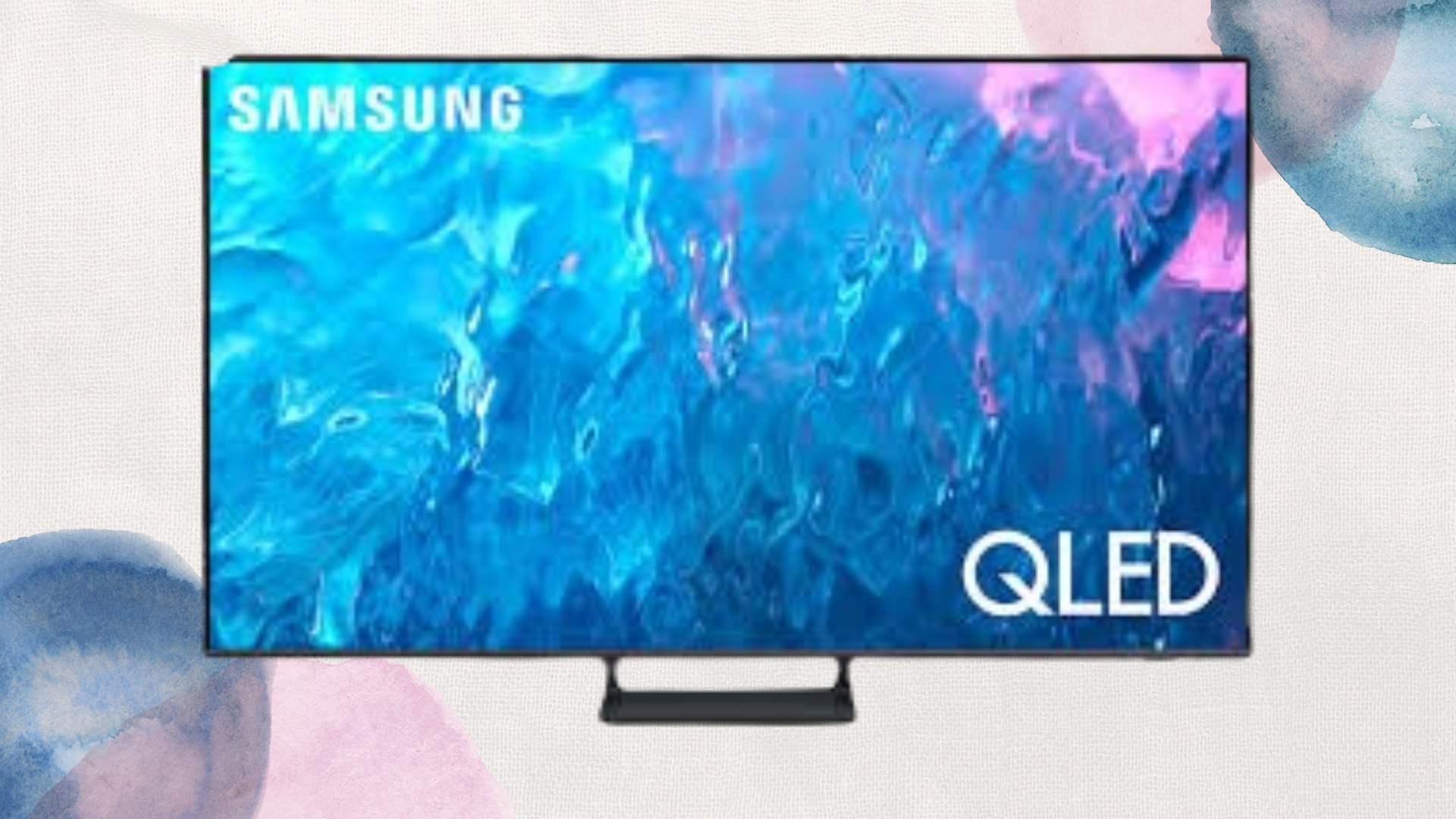
Quantum HDR is the base version of these, found on many entry-level and mid-range Samsung QLED TVs.
It enhances the picture quality beyond standard HDR by:
- Increasing the overall brightness
- Expanding the color using quantum dot technology
- Improving the contrast in bright and dark scenes
However, brightness levels and local dimming control are more limited compared to higher tiers.
This means highlights are clearer than normal HDR, but not as intense as premium models.
Best for:
Casual viewers, everyday streaming, and buyers on a moderate budget.
Quantum HDR+
Now this is a step above the standard version.
In this one, Samsung boosts the:
- Peak brightness
- Contrast precision
- Scene-by-scene tone mapping
This results in more noticeable highlights and better detail in dark areas, especially when watching HDR movies or sports.
Best for:
These are best for users who want clear HDR improvement without paying flagship prices.
Neo Quantum HDR
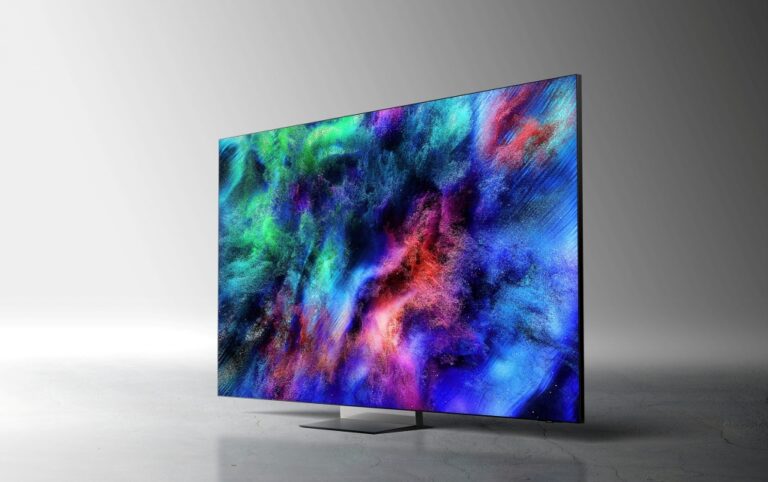
Neo Quantum HDR appears on the Neo QLED TVs, which use the Mini-LED backlighting instead of traditional LEDs.
This gives us:
- Much finer light control
- Deeper blacks
- Significantly higher brightness
Because of Mini-LED precision, HDR scenes look more three-dimensional and realistic, particularly in high contrast content like space scenes or night cinematography where on a normal TV it will look flat.
Best for:
This is best for home cinema fans and viewers who want premium HDR performance.
Neo Quantum HDR+
Now, the Neo Quantum HDR+ is the highest tier in Samsung’s Quantum HDR lineup right now.
It combines:
- Extremely high peak brightness
- Advanced Mini-LED local dimming
- Powerful image processing for HDR10+ content
The result is maximum contrast, intense highlights, and very accurate color detail, even in challenging scenes.
This level is typically reserved for Samsung’s flagship Neo QLED TVs.
Best for:
Buyers who want the best possible HDR experience on a Samsung TV.
Quantum HDR vs Standard HDR
Okay, so we know the different levels of Samsung’s Quantum HDR, but which is better between the Quantum HDR and Standard HDR.
At a basic level, standard HDR improves picture quality by increasing brightness, contrast, and color range compared to older SDR (Standard Dynamic Range) TVs. Most standard HDR TVs support formats like HDR10 or HDR10+, allowing them to display brighter highlights, darker shadows, and more natural colors when watching compatible content.
Quantum HDR, on the other hand, is Samsung’s enhanced implementation of the HDR that is designed for its QLED and Neo QLED televisions. While it still uses core HDR formats such as the HDR10+, Quantum HDR adds extra performance through quantum dot color technology, higher peak brightness, and more advanced image processing. These improvements help the TV reveal finer details in very bright scenes, like the sunlight reflections or explosions, while also preserving the detail in darker areas such as shadows or night scenes.
One of the most noticeable real-world differences is brightness capability. Many standard HDR TVs reach moderate brightness levels, which can limit how impactful HDR highlights appear, especially in bright rooms. Quantum HDR TVs are built to achieve significantly higher peak brightness, making HDR effects more vivid and easier to see even during daytime viewing.
Color performance is another key distinction. Standard HDR displays can show a wider color range than SDR, but Quantum HDR’s quantum dot layer enables more precise and saturated colors without washing out at high brightness. This results in richer reds, deeper blues, and more lifelike skin tones.
In everyday use, the difference between Quantum HDR and standard HDR is most visible when you’re doing things like:
- Watching high-quality movies or HDR streaming content
- Playing modern console or PC games with HDR support
- Viewing bright scenes in well-lit rooms
For casual TV watching, the improvement may feel subtle. But for viewers who care about that cinematic picture quality, strong brightness, and vivid color, then the Quantum HDR generally delivers a more premium visual experience than standard HDR alone.
Neo Quantum HDR vs Neo Quantum HDR+
Okay, now we know the difference between Quantum HDR and Standard HDR, but what of Neo Quantum HDR and Neo Quantum HDR+, the only difference you see is the the “+” in the name and I’m expecting you to believe me.Well, when comparing Neo Quantum HDR and Neo Quantum HDR+, the difference comes down to brightness power, backlight precision, and overall picture impact on Samsung’s Neo QLED TVs. Both technologies are premium HDR solutions built on Mini-LED backlighting and advanced image processing, but Neo Quantum HDR+ sits at the higher performance tier. Why?, well let’s get into it.
Brightness and contrast performance
Neo Quantum HDR already delivers very strong peak brightness and deep contrast thanks to the Mini-LED local dimming. Highlights such as sunlight reflections, fire, or bright city lights appear intense without washing out darker areas.
But Neo Quantum HDR+ pushes this further with higher peak brightness capability and finer light control, allowing even more detail in extreme highlights while preserving shadow depth. In real viewing, this means:
- Brighter specular highlights in HDR movies
- Better visibility in very dark scenes
- Stronger overall punch in high-contrast content
The improvement is noticeable mostly on high-quality HDR content and in brighter viewing rooms.
Processing and picture refinement
Both versions use Samsung’s AI-driven picture processing to analyze scenes and optimize contrast, color, and clarity in real time. However, the Neo Quantum HDR+ is typically paired with more powerful processors found in higher-end Neo QLED models.
This results in things like:
- Smoother tone mapping for HDR scenes
- More accurate color gradients
- Reduced blooming around bright objects
These refinements make premium models look cleaner and more cinematic, especially on large screens.
Which one should you choose?
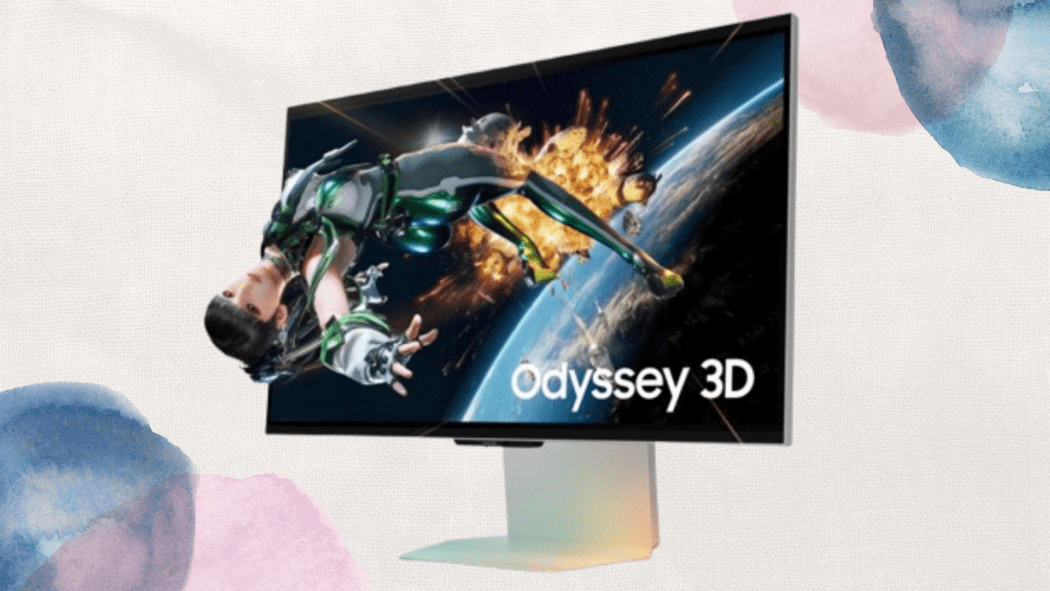
So now, which should you choose, if you ask me I’ll go with the Neo Quantum HDR+ all day, but if I’m trying to save but still want the HDR Quality, then the Neo Quantum HDR is the way to go.
- Choose Neo Quantum HDR if you want excellent HDR quality at a lower price within the Neo QLED range. It already delivers strong brightness, contrast, and color for movies, sports, and gaming.
- Choose Neo Quantum HDR+ if you want the best possible HDR performance Samsung offers, particularly for bright rooms, large screen sizes, or high-end home-cinema viewing.
The real-world takeaway
Both technologies provide a high-end HDR experience, but Neo Quantum HDR+ represents the top performance level with brighter highlights, finer contrast control, and more advanced processing. For most viewers, Neo Quantum HDR is already impressive, while Neo Quantum HDR+ is aimed at users who want maximum visual impact without compromise.
Does Quantum HDR Really Matter When Buying a Samsung TV?
The short answer is Yes, the long answer… Quantum HDR can noticeably improve your picture quality, but how much it matters depends on how you watch TV, the type of content you enjoy, and your viewing environment.
Bright rooms vs dark rooms
Quantum HDR becomes most useful in bright living rooms where sunlight or indoor lighting can wash out a normal TV image. Because Samsung’s Quantum HDR TVs reach higher peak brightness, highlights stay visible and colors remain vivid even during the day.
In a dark room, the difference is still present, but it is usually less dramatic. Here, contrast control and black levels matter more, so the improvement from Quantum HDR may feel subtle unless you are watching true HDR movies or high-quality streaming content.
Casual viewing vs cinema lovers
For casual viewers who mainly watch cable TV, news, or low-resolution content, Quantum HDR will not transform the experience. Many standard broadcasts are not mastered in HDR, meaning the TV cannot fully use its advanced brightness and color range.
For movie fans, gamers, and streaming users, Quantum HDR makes a much bigger difference. HDR movies on platforms like Netflix or high-dynamic-range games on modern consoles can show:
- Brighter highlights
- More shadow detail
- Richer, more natural colors
This is where the technology truly justifies its value.
Budget considerations
Quantum HDR appears across multiple Samsung price ranges, but performance increases as you move up the lineup:
- Entry QLED models → basic Quantum HDR, modest brightness gains
- Mid-range models → stronger brightness and better contrast
- Neo QLED premium models → Mini-LED backlighting and the most noticeable HDR impact
If you are buying a budget TV, Quantum HDR is a helpful bonus but should not be the only reason to upgrade. In mid-range or premium models, it becomes a key feature that significantly improves real-world picture quality.
So, is Quantum HDR worth it?
Quantum HDR matters when you:
- Watch a lot of HDR movies or streaming content
- Play modern HDR-supported games
- Use your TV in a bright room
- Are considering a mid-range or premium Samsung model
If you mainly watch standard TV in a dark room on a tight budget, the benefit is real but not essential.
Bottom line:So in bottom line, Yes it’s worth it, Quantum HDR isn’t just Samsung’s marketing strategy, it can meaningfully enhance your picture quality. However, its true value depends on choosing the right Samsung TV tier and using it with real HDR content.
Common Questions About Quantum HDR
Is Quantum HDR better than Dolby Vision?
Not necessarily. Dolby Vision is a separate HDR format that uses dynamic metadata to adjust the brightness and color scene by scene. Many experts consider it one of the most advanced HDR standards. Samsung TVs, however, do not support Dolby Vision. Instead, they rely on the HDR10+, which offers similar dynamic adjustments. With strong brightness and quantum dot color, Quantum HDR can still deliver an excellent viewing experience, even without Dolby Vision.
Do you need special content to use Quantum HDR?
Yes. To see the full benefit of Quantum HDR, the content must be mastered in HDR. This includes:
HDR movies and shows on streaming platforms
HDR-supported video games
Ultra HD Blu-ray discs
Regular cable TV or older videos will still play, but they won’t fully use the TV’s HDR capabilities.
Does Quantum HDR improve your gaming?
Yes it does, especially on modern consoles and HDR-enabled games. Quantum HDR provides:
- Brighter highlights in explosions or sunlight
- Better shadow detail in dark scenes
- More vibrant and realistic colors
When combined with features like high refresh rates and low input lag on Samsung TVs, this creates a noticeably better gaming experience.
Is Quantum HDR available on all Samsung TVs?
No. Quantum HDR is mainly found on QLED and Neo QLED models. Lower-end Samsung Crystal UHD TVs may support basic HDR formats, but they usually lack the brightness and color performance needed for a true Quantum HDR experience.
Will Quantum HDR still matter in a few years?
Yes, I’m sure it will. HDR content continues to grow across streaming, gaming, and physical media, making strong HDR performance increasingly important. A TV with good Quantum HDR capability is more likely to remain visually impressive for many years, which helps protect your investment when buying a new Samsung TV.
Conclusion
Quantum HDR is Samsung’s way of delivering a more powerful and refined HDR viewing experience on its QLED and Neo QLED TVs. By combining high peak brightness, precise contrast control, and rich quantum dot color, it allows movies, shows, and games to appear more lifelike, realistic and detailed than they would on a standard HDR display.
Understanding the differences between Quantum HDR, Quantum HDR+, Neo Quantum HDR, and Neo Quantum HDR+ helps you see where each TV sits in terms of performance and price. For bright rooms, cinematic viewing, or high-end gaming, the higher Neo Quantum HDR tiers generally provide the most noticeable improvement.
In the end, Quantum HDR is not just a marketing label, it represents real visual enhancements that can significantly improve picture quality. Choosing the right level depends on your budget, viewing environment, and how much you value premium image performance when buying a Samsung TV.
When you purchase through links on our site, we may earn an affiliate commission which helps in keeping this website running. Here’s how it works.
Use the Code ref-09ngex to get 5% off from Samsung

About the Author: Ikhide Uanseoje
Welcome to SamUniverse! My name is Ikhide Uanseoje, the mind behind this website dedicated to everything Samsung. As a passionate tech enthusiast and lover, I specialize in delivering the latest news, in-depth reviews, and helpful guides about Samsung products, from smartphones and wearables to laptops and accessories.
Born and raised in Nigeria, I’ve always had a fascination with cutting-edge technology and how it shapes our lives. This passion led me to create SamUniverse, a platform where Samsung fans and tech lovers can explore innovations, tips, and updates that truly matter.
When I’m not writing, you’ll find me exploring new tech trends, brainstorming ideas for future posts, or working on ways to make this website your go-to resource for all things Samsung.
Stay tuned to SamUniverse as we uncover the best Samsung has to offer!