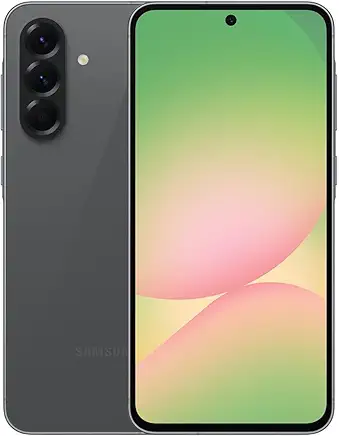
Samsung Exynos vs. Snapdragon; Which Is Better

When buying a new smartphone, one thing to consider is the processor and Samsung Galaxy S Series offers the best there is, but as we’ve been seeing for some time, Samsung has been regularly switching between the Snapdragon Processors and their own Exynos processors, or using both but for different market (where some gets the Snapdragon and others get the Exynos).
The US and a handful of other markets traditionally received phones powered by Qualcomm Snapdragon processors, while Europe, Middle Eastern markets, and India received devices powered by Samsung’s own Exynos chipsets. That tradition continued in 2024 with the Galaxy S24 series, although all Galaxy S25 series models in 2025 are powered by Snapdragon chips.
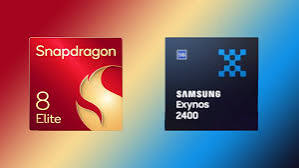
Nevertheless, Snapdragon and Exynos flagship processors aren’t made equal. This has led to the debate of Samsung Exynos vs. Snapdragon.
Sometimes one chipset is better than the other, offering improved battery life and/or superior CPU/GPU performance, effectively creating two tiers of Galaxy S customers. We’ve seen significant differences in all of these areas in the past, although the gulf between the Exynos 2400 and Snapdragon 8 Gen 3 isn’t as wide on the S24 series.

Background on the Two Processors
When it comes to Android smartphone processors, two names often stand out Exynos and Snapdragon. Both have powered a wide range of Samsung Galaxy devices over the years, but they come from very different origins and design philosophies.
What is Exynos?
Exynos is Samsung’s in house line of processors developed by Samsung System LSI, a division of Samsung Electronics. The name “Exynos” comes from the Greek words “exypnos” (meaning smart) and “prasinos” (meaning green), reflecting a vision of smart and power efficient chips. These processors are primarily found in Samsung smartphones, especially in regions like Europe, the Middle East, and parts of Asia. Exynos chips are designed to offer a complete solution, often integrating CPU, GPU, modem, and AI capabilities into a single SoC (System on Chip).
What is Snapdragon?

Snapdragon is a family of mobile processors developed by Qualcomm, a leading semiconductor company based in the U.S. Snapdragon chips are used not only by Samsung but by many other Android smartphone manufacturers like Xiaomi, OnePlus, and Motorola. These processors are known for their high performance, power efficiency, and strong GPU capabilities making them a popular choice, especially in competitive flagship devices. In Samsung phones, Snapdragon variants are usually found in North America, South Korea, and China.
Performance Comparison
When comparing Exynos and Snapdragon processors, performance is often the most hotly debated topic. While both chipsets are designed to deliver a fast and smooth experience, there are clear differences in how they perform under real-world conditions.
CPU & GPU Performance
Snapdragon processors, especially the flagship models like the Snapdragon 8 Gen 2 and Gen 3, have consistently outperformed their Exynos counterparts in raw power and efficiency. Qualcomm’s use of custom Kryo CPU cores and Adreno GPUs gives Snapdragon an edge in gaming, multitasking, and high performance tasks.
Exynos processors, such as the Exynos 2200 and newer models, have improved significantly in recent years, especially with the integration of AMD’s RDNA-based GPU (Xclipse). However, they often lag slightly behind Snapdragon in both frame rates and graphical stability during heavy gaming or intensive apps.
AI and Machine Learning Capabilities
Both Exynos and Snapdragon chips include dedicated NPUs (Neural Processing Units), which handle tasks like image enhancement, voice recognition, and smart assistants. Snapdragon has a slight edge here, with its Hexagon AI Engine showing better efficiency and support for on-device AI processing in benchmarks and daily use.
Exynos chips are catching up, and Samsung has made AI performance a priority in recent generations, especially for camera processing and battery optimization.
Multitasking and Thermal Performance
In daily multitasking, switching between apps, browsing, watching videos both chips perform well. However, Snapdragon tends to maintain higher sustained performance during longer sessions, while Exynos chips have been criticized in the past for thermal throttling, where the chip reduces performance to control heat.
With each new release, Samsung has worked to improve this, but Snapdragon generally offers more consistent performance under load.
Battery Life
Another difference between the Exynos and Snapdragon processors lies in its battery power. Exynos processor batteries are superior to Snapdragon. Snapdragon is designed to perform activities that require maximum performance.
While the Exynos processor is designed with optimization so that it can work without the need to consume a lot of batteries. So if you only use your phone to play on social media and chat and other light activities, then the Exynos chipset is more suitable.
Camera Processing And Image Quality
Another area that sees differences between Exynos and Snapdragon variants is camera quality.
Either way, it’s clear that camera quality might be different between Galaxy S24 models with different chipsets. So that’s something to look out for as well.
A comparison made by the Tech4All YouTube channel suggests that it’s a close-fought battle between Exynos and Snapdragon S24 models. In fact, the YouTuber felt that the Exynos model took better main camera shots and low-light telephoto video. Conversely, they felt that the Snapdragon S24 took better ultrawide snaps.
Either way, it’s clear that camera quality might be different between Galaxy S24 models with different chipsets. So that’s something to look out for as well.
Frequently Asked Question
Why doesn’t Samsung use Snapdragon in all regions if it’s better?
This is one of the most common questions Samsung fans ask, especially those in regions where Exynos variants are sold. If Snapdragon processors are usually more powerful and efficient, why doesn’t Samsung just use them globally?, well Samsung does this because of a few reasons which are;
- Cost and Supply Chain Management
Using Exynos chips allows Samsung to reduce costs by producing its own processors in-house, avoiding the need to pay licensing fees to Qualcomm. It also gives Samsung more control over the supply chain and production schedules.
- Modem and Network Compatibility
In some regions like the United States, network carriers require support for mmWave 5G, which Exynos has historically lacked or offered limited support for. Snapdragon chips have better modem integration with global 5G standards, making them more suitable for these markets.
- Technological Independence and R&D
Samsung also wants to strengthen its own chipset division (Samsung System LSI) and reduce reliance on external vendors. Continuing to develop and use Exynos chips is part of their long-term plan to be more self-sufficient, this is similar to how Apple designs its own A-series chips.
Which One Should You Choose?
The battle between Samsung’s Exynos and Qualcomm’s Snapdragon processors has sparked heated debates for years, and for good reason. Both chipsets have come a long way, but they still offer different strengths depending on what you’re looking for in a smartphone.
Choose Snapdragon if…
- You want stronger gaming performance and graphics stability
- You value better battery efficiency under heavy use
- You live in a region where 5G coverage (especially mmWave) matters
- You prefer cooler temperatures and less thermal throttling
- You rely on consistent performance across long sessions (like gaming or video editing)
Consider Exynos if…
- You use your phone for regular tasks like browsing, social media, and streaming
- You want a Samsung-made chipset experience with tighter integration
- You’re in a region where Exynos is the default, and performance differences are minor for your use
- You’re interested in Samsung’s push into AMD graphics and want to see how it evolves
Bottom Line
In recent years, Snapdragon processors have generally been the better all-around performers, especially in flagship devices. However, Exynos has been catching up fast, particularly with its newer collaborations and focus on AI, GPU, and power efficiency.
If you’re buying a Samsung phone and you have a choice between Exynos and Snapdragon versions, Snapdragon is usually the safer bet for performance, efficiency, and long term value. But for everyday users who don’t push their phones to the limit, Exynos is often more than capable and may even come with a lower price tag in some regions. I hope this has helped you choose between Exynos vs. Snapdragon
When you purchase through links on our site, we may earn an affiliate commission which helps in keeping this website running. Here’s how it works.
Use the Code ref-09ngex to get 5% off from Samsung

About the Author: Ikhide Uanseoje
Welcome to SamUniverse! My name is Ikhide Uanseoje, the mind behind this website dedicated to everything Samsung. As a passionate tech enthusiast and lover, I specialize in delivering the latest news, in-depth reviews, and helpful guides about Samsung products, from smartphones and wearables to laptops and accessories.
Born and raised in Nigeria, I’ve always had a fascination with cutting-edge technology and how it shapes our lives. This passion led me to create SamUniverse, a platform where Samsung fans and tech lovers can explore innovations, tips, and updates that truly matter.
When I’m not writing, you’ll find me exploring new tech trends, brainstorming ideas for future posts, or working on ways to make this website your go-to resource for all things Samsung.
Stay tuned to SamUniverse as we uncover the best Samsung has to offer!