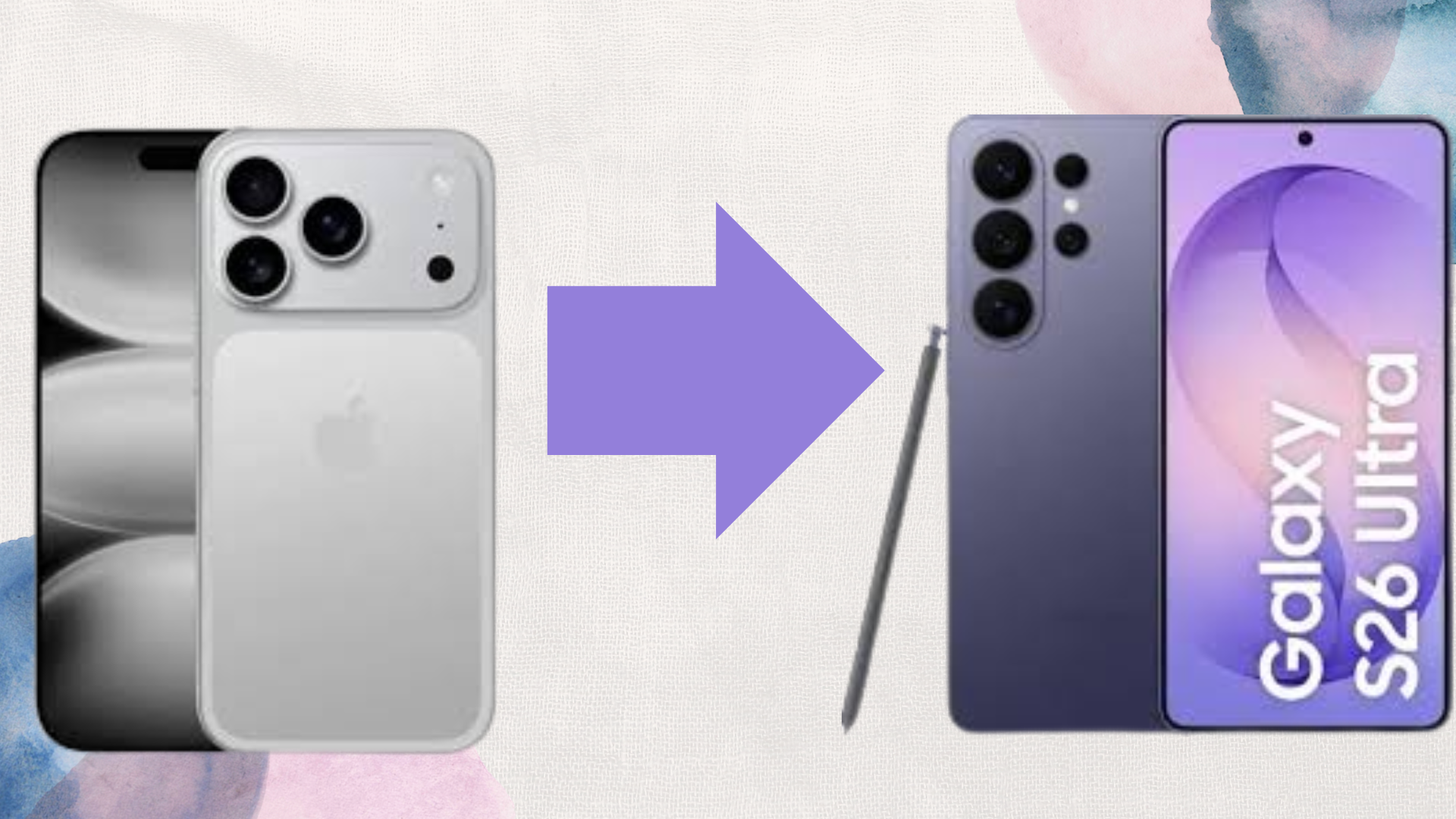
The Great Migration: Why I Swapped My iPhone 17 for the Galaxy S26 Ultra

For the better part of a decade, I’ve been firmly entrenched in the “Blue Bubble” camp. My digital life was a seamless, albeit locked-down, harmony of iCloud backups, AirDrop transfers, and the familiar rhythm of iOS updates. When the iPhone 17 series launched in late 2025, I was among the first in line. On paper, it was the “perfect” iPhone: a refined 6.3-inch ProMotion display, the incredible efficiency of the A19 chip, and a battery life that finally felt like it could keep up with my 18-hour workdays.
But three months into owning the iPhone 17, I felt a strange sense of plateau. Innovation at Apple had become a game of inches, a slightly better “Ceramic Shield 2” here, a marginally faster “Camera Control” button there. When Samsung unveiled the Galaxy S26 Ultra in February 2026, something clicked. For the first time in years, a smartphone didn’t just feel like a tool; it felt like a glimpse into the future.
After two weeks of using the S26 Ultra as my daily driver, I sold the iPhone. Here is my honest, long-term review of why I made the switch and why, for the first time, I don’t miss the ecosystem.
1. The Display: Beyond Just Brightness
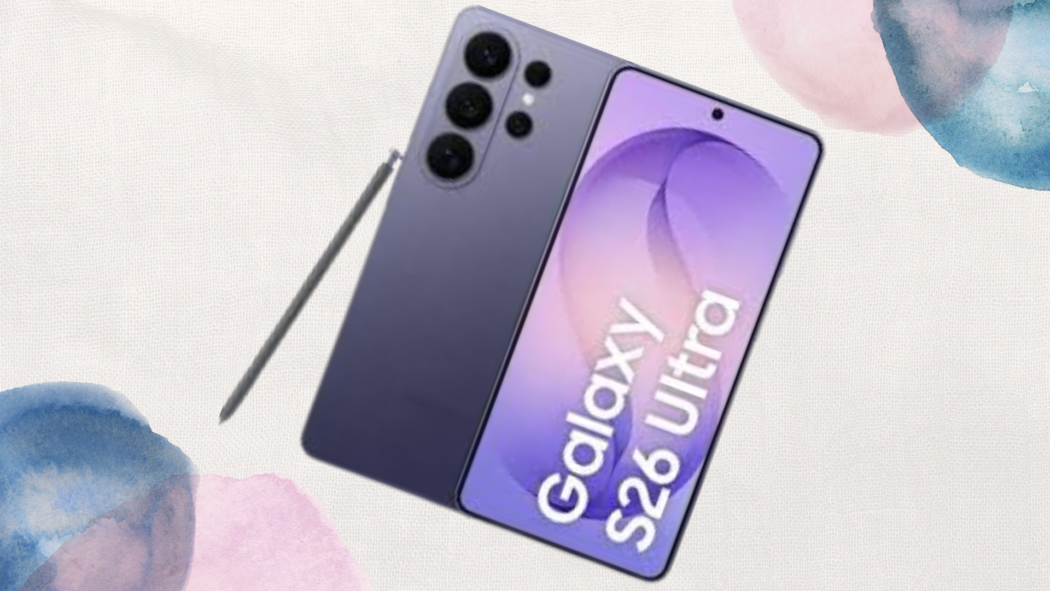
Apple’s Super Retina XDR is beautiful, don’t get me wrong. But Samsung has always been the king of panels, and the S26 Ultra’s 6.9-inch Dynamic LTPO AMOLED 2X feels like it’s in a different dimension.
The biggest game-changer isn’t the 2,600 nits of peak brightness (though it’s stunning in the Lagos sun). It’s the Privacy Display “Flex Magic” technology. We’ve all been there: sitting on a bus or in a meeting, feeling someone’s eyes drifting toward your screen. Samsung finally integrated a hardware-level privacy filter that limits side-angle visibility at the touch of a button. While the iPhone 17 still requires those annoying plastic screen protectors that ruin clarity, the S26 Ultra handles it natively.
The edges are also more rounded this year, making the massive 6.9-inch frame surprisingly comfortable compared to the boxy, sharp-edged feel of the iPhone 17. Samsung moved away from titanium back to a high-grade aluminum frame, which actually makes the phone feel lighter (214g) and better balanced in the hand.
2. The Snapdragon 8 Elite Gen 5 vs. Apple A19
For years, the argument was: “Android has the features, but iPhone has the power.” In 2026, that gap hasn’t just closed, it has inverted in specific ways.
The Snapdragon 8 Elite Gen 5 inside the S26 Ultra is a monster. While the iPhone 17’s A19 is an efficiency king, the S26 Ultra feels faster in real-world multitasking. With 16GB of RAM on my 1TB model, I can keep dozens of apps open without a single refresh.
Then there’s Samsung DeX. As a tech enthusiast and student, being able to plug my phone into a monitor and have a full desktop experience is something the iPhone 17 simply cannot replicate. Apple still treats the iPhone like a “mobile-only” device, whereas Samsung treats the S26 Ultra like a pocket computer.
3. The Camera: A Low-Light Revolution
The iPhone 17’s 48MP Dual Fusion system is incredibly reliable. If you want to point, shoot, and get a “good” photo 10 out of 10 times, Apple is still the safest bet. But I wanted “great,” and I wanted “versatile.”
The Galaxy S26 Ultra’s 200MP Main Sensor features a new f/1.4 aperture. This is a massive jump that allows for 47% more light intake than previous generations. In low-light scenarios—late-night dinners or street photography—the S26 Ultra captures detail in the shadows that the iPhone 17 turns into noise.
And we have to talk about the zoom. The iPhone 17 still lacks a dedicated periscope lens (unless you go for the Pro Max, and even then, it’s limited). The S26 Ultra’s 50MP 5x Optical Zoom combined with AI-enhanced 100x Space Zoom is genuinely useful. Whether I’m sitting in the back of a lecture hall or trying to snap a photo of a landmark from a distance, the clarity is breathtaking.
4. Charging Speed: The Final Straw
This was the “Aha!” moment. The iPhone 17 still lingers around the 27W–30W mark for wired charging. In 2026, that is unacceptable for a flagship.
The S26 Ultra introduced 60W SuperCharge 3.0. I can get from 0% to 75% in about 30 minutes. When you’re living a busy life, the “trickle charge” of the iPhone feels like a shackle. Furthermore, the inclusion of Qi2 magnetic charging means I didn’t even have to give up my favorite magnetic accessories when I moved from MagSafe.
5. Galaxy AI vs. Apple Intelligence
Both companies are leaning heavily into AI, but their philosophies differ. Apple Intelligence on the iPhone 17 feels like a polite assistant—it summarizes my emails and helps me write texts. It’s useful, but invisible.
Galaxy AI on the S26 Ultra feels like a toolset. The “ProVisual Engine” actually helps me recompose photos after I’ve taken them, and the live translation features are lightyears ahead of Apple’s “Translate” app. For someone who plans to travel to places like Japan and South Korea, having real-time, two-way voice translation that actually works offline is a feature I can’t put a price on.
6. The S Pen: The Tool I Didn’t Know I Needed
I’ll be honest: I thought the S Pen was a gimmick. I was wrong. Having a built-in stylus for signing PDFs, editing AMV videos with precision, or just jotting down quick notes during a meeting has fundamentally changed how I use my phone. The iPhone 17 feels like a consumption device; the S26 Ultra feels like a creation device.
Is the Switch for Everyone?
Switching isn’t without its growing pains. I miss the simplicity of Face ID. Samsung’s ultrasonic fingerprint sensor is fast, but Face ID is still the gold standard for seamless unlocking. I also miss the tight integration with my Mac, though Link to Windows has made the transition much smoother than I expected.
However, the Galaxy S26 Ultra feels like a phone made for the power user of 2026. It’s a device that says “Yes” to every request, whether it’s desktop computing, professional photography, or extreme multitasking. Don’t get me wrong, there are some aspects the Galaxy S26 Series are lagging behind, like an improved telephoto lens or a 7000mAh battery cell, but for normal daily users, this are just minor problems.
The iPhone 17 is a fantastic phone, and for most people, it’s probably “enough.” But if you’re tired of the “enough” and you want a device that pushes the boundaries of what a slab of glass and metal can do, the S26 Ultra is the current king of the hill.
Final Verdict:
- Design: 9/10 (The Privacy Display is a win, but I miss Titanium)
- Performance: 10/10 (Unrivaled multitasking)
- Camera: 10/10 (The new f/1.4 aperture is a literal bright spot)
- Battery/Charging: 9/10 (60W is great, but 100W would have been legendary)
The “Blue Bubbles” can wait. I’m staying in the Galaxy.
When you purchase through links on our site, we may earn an affiliate commission which helps in keeping this website running. Here’s how it works.
Use the Code ref-09ngex to get 5% off from Samsung

About the Author: Ikhide Uanseoje
Ikhide is a Lagos-based tech creator and the founder of Sam-Universe. He is a Samsung specialist focused on real-world utility, from professional AMV editing workflows to mobile productivity. Follow his journey as he bridges the gap between premium tech and the hustle of student life.