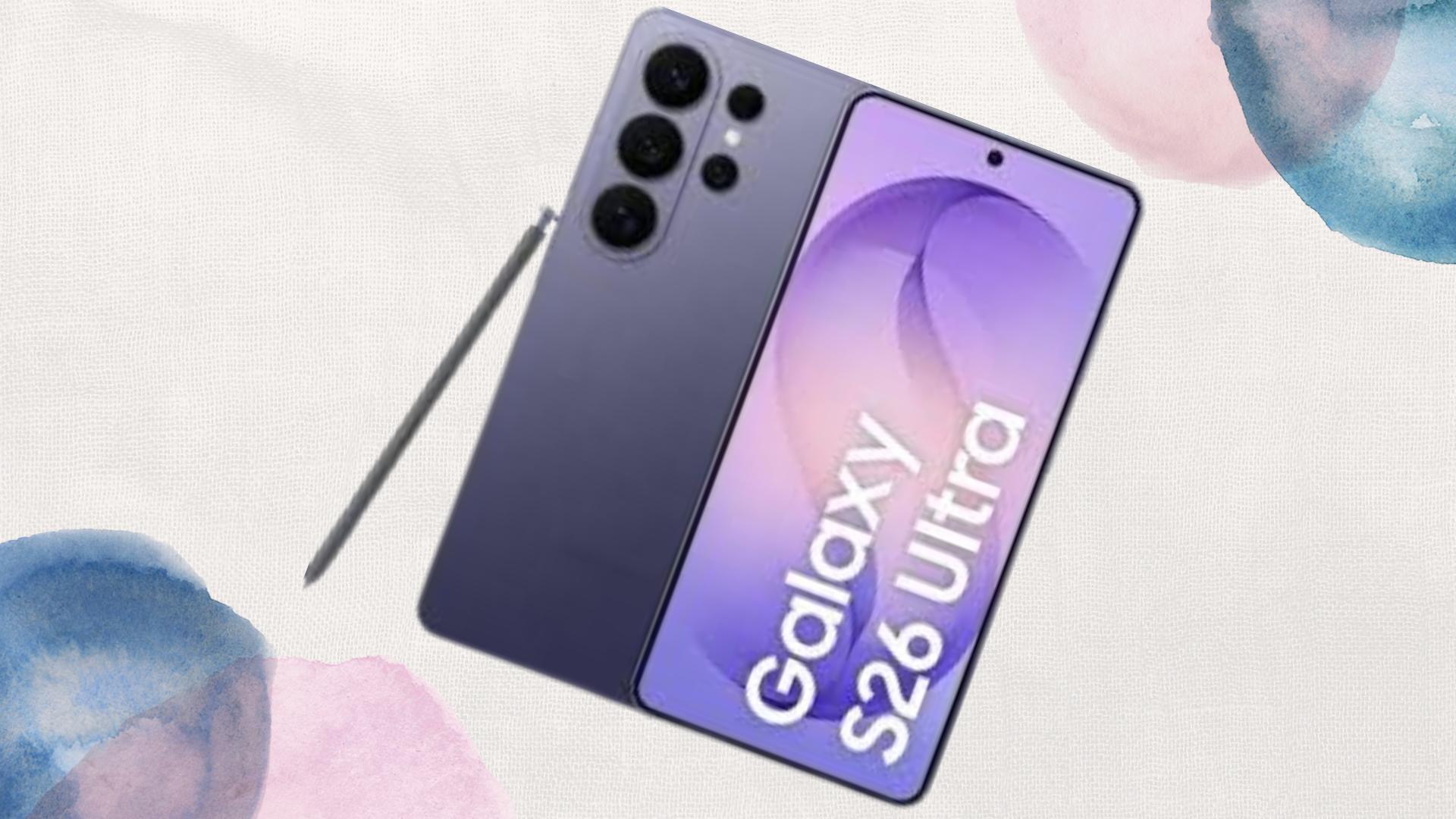
The Honeymoon is Over: 5 Things I Hate About the Galaxy S26 Ultra (Honest Review)

It has been roughly three months since the Samsung Galaxy S26 Ultra arrived at my doorstep, encased in its eco-friendly (tiny) box. At launch, the hype was inescapable. We were promised a revolution in mobile privacy, the most advanced AI integration ever seen in a handheld device, and a refined design that would finally perfect the “Ultra” formula. With a starting price of $1,299, climbing rapidly toward $1,800 if you want the 1TB model, my expectations were sky-high.
For the first few weeks, I was a believer. The Snapdragon 8 Elite Gen 5 is, by all accounts, a benchmark-shattering beast. The 6.9-inch screen is massive, and the new rounded titanium edges make it much more comfortable to hold than the “sharp-cornered slabs” of years past. But now that the new-phone smell has evaporated and I’ve used this device as my sole daily driver through work trips, rainy commutes, and late-night scrolling sessions, the cracks are starting to show.
Look, it’s a powerful phone, but at this price point, “good” isn’t enough. There are five specific things about the Galaxy S26 Ultra that drive me absolutely crazy, things you won’t necessarily see in a 24-hour “first impressions” video. Here is my honest, frustrated take on why the S26 Ultra might be Samsung’s most annoying flagship yet.
1. The “Privacy Display” is a Fidelity Nightmare
Samsung’s headline feature this year was the integrated Privacy Display. The concept is brilliant on paper: using a specialized pixel structure, the phone can narrow its viewing angles at the touch of a button, preventing the person sitting next to you on the train from reading your private emails or seeing your banking app.
The technical reality, however, is a disaster for enthusiasts. To achieve this, Samsung utilized a dual-pixel arrangement consisting of “narrow” and “wide” subpixels. The problem? Even when Privacy Mode is turned off, the screen looks worse than the S25 Ultra. Because of the way these pixels are layered, there is a persistent, grainy texture across the entire panel—often called the “paper effect.”
If you are a photographer or someone who enjoys high-bitrate 4K content, you will notice it immediately. Whites aren’t pure; they look like they’ve been dusted with fine salt. Furthermore, the viewing angles are naturally worse than previous generations because of those “narrow” subpixels. If you tilt the phone even 10 degrees while showing a friend a photo, the colors shift and the brightness drops. We’ve sacrificed the industry-leading clarity Samsung is known for in exchange for a privacy gimmick that most people will only use 5% of the time.
2. The Qi2 Wireless Charging “Handshake”
In 2026, we were finally supposed to get a unified wireless charging standard with Qi2. While the S26 Ultra technically supports Super Fast Wireless Charging 3.0 (25W), Samsung made a baffling choice: they didn’t include the internal magnets. Instead, they expect you to buy a specific “magnetic-compatible” case to align the phone.
The real headache, however, is the “proprietary handshake.” I have a drawer full of high-end Qi2 chargers from brands like Anker and Belkin. When I place the S26 Ultra on them, I rarely see that 25W speed. Most of the time, the phone displays a “Check Charger” notification and throttles down to 10W or 15W. There are reports from accessory makers like Dbrand that Samsung is using a specific software gate (seemingly a variation of Qi2.2) that limits full speeds unless you’re using Samsung-certified hardware. Paying over a grand for a phone only to find out it’s “picky” about its electricity is an insult to the consumer.
3. The Return of the “Foggy Lens”
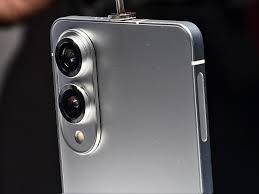
This is perhaps the most inexcusable issue for a “Pro” camera phone. Over the last few months, a growing number of users, myself included, have experienced internal lens condensation.
The S26 Ultra features an improved IP68 seal meant for deeper water resistance, but this has created a “pressure cooker” effect. If you move from a cold, air-conditioned room into a humid afternoon, a small circle of fog appears inside the primary 200MP lens housing. Because the phone is so tightly sealed, that moisture has nowhere to escape. I’ve missed countless shots of my kids at the park because I had to wait twenty minutes for the “internal weather” of my phone to stabilize. For a device marketed as the ultimate travel companion, having a camera that “fogs up” like a 1990s watch is a massive hardware oversight.
4. One UI 8.5: AI Bloat and Micro-Stutters
Samsung’s software has reached a tipping point. One UI 8.5 is so heavily focused on “Galaxy AI” that the core experience is starting to suffer. The new ProVisual Engine constantly runs in the background, analyzing your gallery and “optimizing” your usage patterns.
The result isn’t a smarter phone; it’s a heavier one. Despite the 12GB of LPDDR5X RAM, I encounter frequent “micro-stutters” when swiping home or opening the camera app. It feels like the OS is constantly second-guessing itself. Then there are the UI bugs—scaling issues in the notification shade and AI-generated “Smart Suggestions” that are frequently wrong. Samsung has spent so much time adding “magic” features like AI-live translation and generative photo expansion that they’ve forgotten to keep the basic animations fluid. It’s the first time in years that a Galaxy Ultra has felt “laggy” right out of the box.
5. The “Ultra” Plateau: Innovation has Stalled
My final gripe is the most subjective, but it’s the one that stings the most when I look at my credit card statement. The S26 Ultra feels like the S24 Ultra… which felt like the S23 Ultra.
We are still stuck with 45W wired charging while competitors are hitting 100W+. We are still using an S-Pen that hasn’t seen a significant hardware or software update in three years. Even the design, while “refined” with slightly more rounded corners and a 0.3mm thinner profile, is visually stagnant. When you’re paying the “Ultra” tax, you expect to feel like you’re on the cutting edge. Instead, it feels like Samsung is playing it safe, coasting on their market dominance while smaller brands are taking the real risks with foldable tech and revolutionary sensor sizes.
Final Thoughts
The Galaxy S26 Ultra is undeniably a powerhouse. If you are upgrading from an S21 or an older iPhone, the sheer jump in screen real estate and zoom capability will blow you away. But for the enthusiasts, the loyalists, and the power users, this year feels like a step backward in quality control and display fidelity.
Samsung needs to stop chasing “AI features” and “Privacy gimmicks” and get back to the basics: a flawless screen, a camera that doesn’t fog up, and software that doesn’t trip over its own feet.
Are you seeing the “grainy screen” issue on your unit, or is the Privacy Display actually working for you? Let me know your experience in the comments below.
When you purchase through links on our site, we may earn an affiliate commission which helps in keeping this website running. Here’s how it works.
Use the Code ref-09ngex to get 5% off from Samsung

About the Author: Ikhide Uanseoje
Welcome to SamUniverse! My name is Ikhide Uanseoje, the mind behind this website dedicated to everything Samsung. As a passionate tech enthusiast and lover, I specialize in delivering the latest news, in-depth reviews, and helpful guides about Samsung products, from smartphones and wearables to laptops and accessories.
Born and raised in Nigeria, I’ve always had a fascination with cutting-edge technology and how it shapes our lives. This passion led me to create SamUniverse, a platform where Samsung fans and tech lovers can explore innovations, tips, and updates that truly matter.
When I’m not writing, you’ll find me exploring new tech trends, brainstorming ideas for future posts, or working on ways to make this website your go-to resource for all things Samsung.
Stay tuned to SamUniverse as we uncover the best Samsung has to offer!