The Silicon Redemption: Why the “Exynos” Hate Needs to Stop in 2026

For the better part of a decade, the word “Exynos” has acted as a digital trigger for Samsung fans worldwide. It became a meme, a warning, and to some, a reason to import devices from across oceans just to avoid it. We remember the dark days of the Galaxy S20 series, where the Exynos 990 throttled under the mere suggestion of a heavy task, or the Galaxy S22’s Exynos 2200, which struggled to keep its RDNA-based promises.
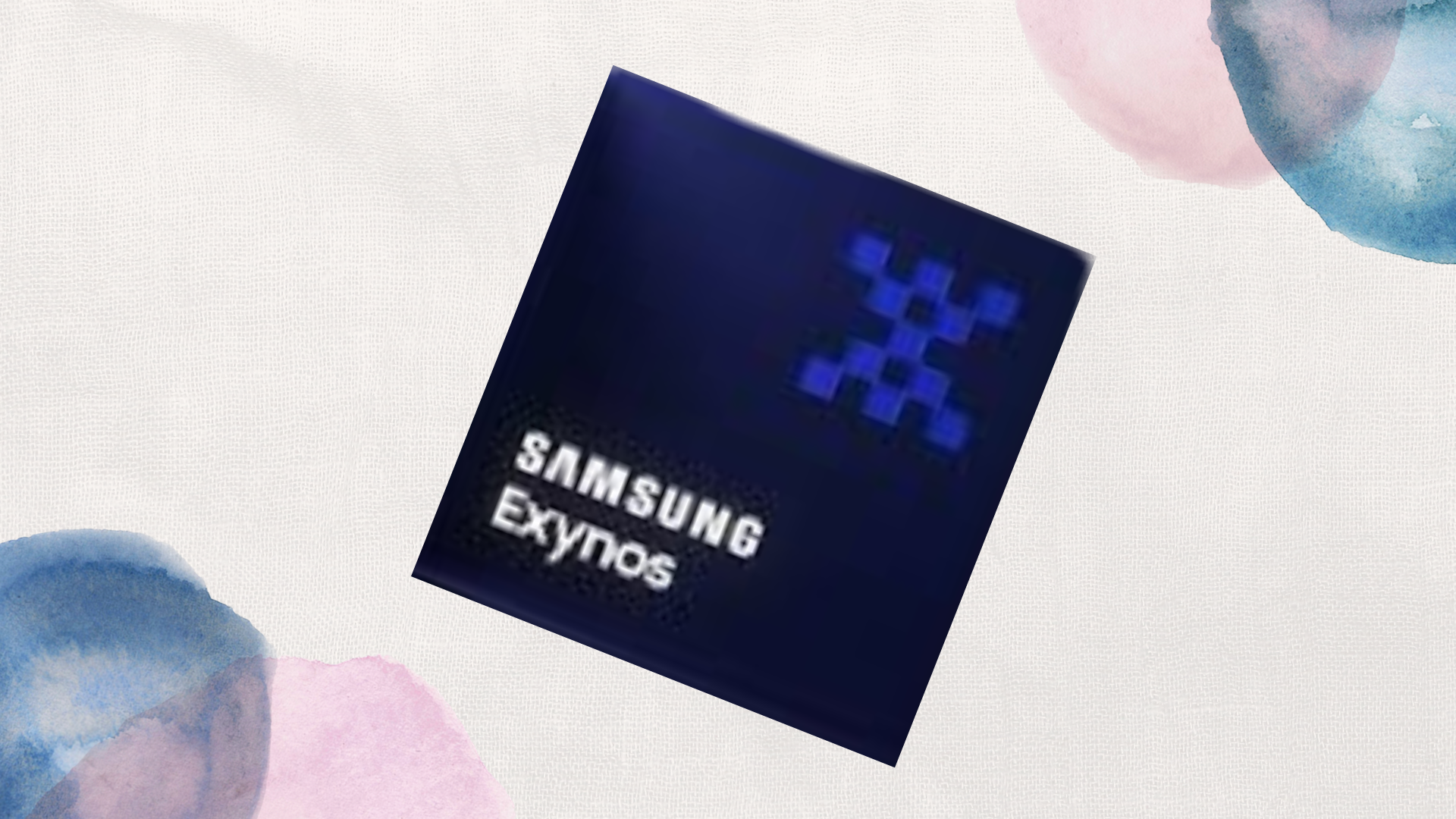
But we are now in 2026. The tech landscape has shifted. The silicon wars have evolved. With the launch of the Galaxy S26 series and the arrival of the Exynos 2600, the narrative that “Exynos is inferior” is not just outdated—it is factually incorrect. It is time to look at the benchmarks, the thermals, and the architecture with fresh eyes. It is time for the Exynos hate to stop.
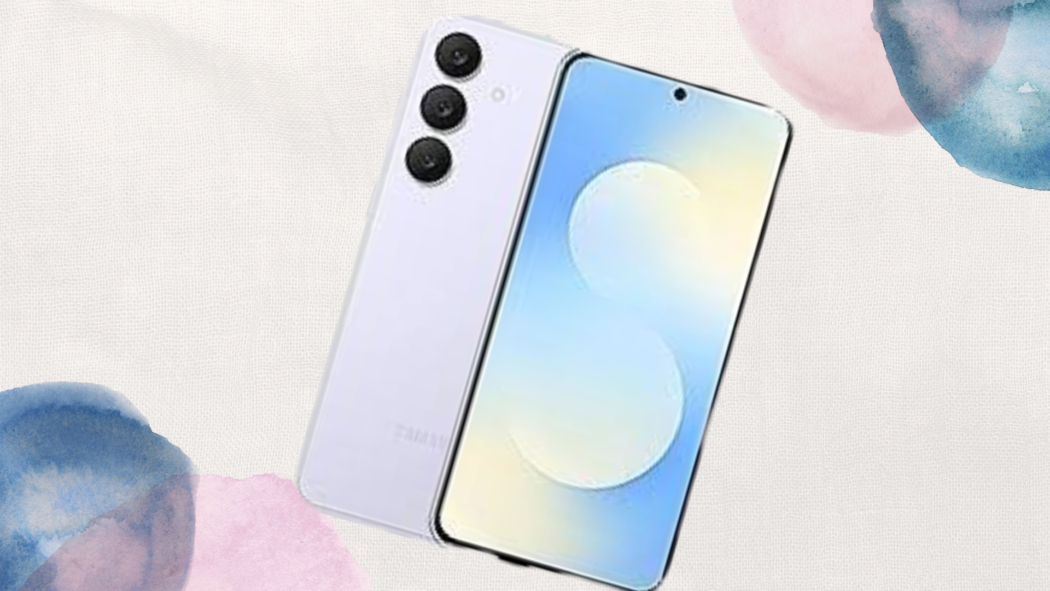
1. The 2nm GAA Revolution: A Level Playing Field
The primary reason for the historical disparity between Exynos and Snapdragon wasn’t just design; it was the foundry. For years, TSMC (used by Qualcomm) held a significant lead in power efficiency and transistor density over Samsung Foundry.
In 2026, that gap has effectively closed. The Exynos 2600 is built on Samsung’s refined 2nm Gate-All-Around (GAA) process. Unlike the older FinFET architecture, GAA allows for precise current control, drastically reducing power leakage. For the first time in five years, Samsung Foundry’s 2nm yields and efficiency metrics are neck-and-neck with TSMC’s N2 node used for the Snapdragon 8 Elite Gen 5.
When the “canvas” (the silicon node) is of equal quality, the “painting” (the chip design) can finally shine. In the Galaxy S26, the Exynos variant no longer suffers from the “foundry tax” that caused the overheating and battery drain of yesteryear.
2. The AMD RDNA Synergy: Beyond the Growing Pains
When Samsung first announced its partnership with AMD to bring Ray Tracing to mobile, the tech world held its breath. The initial results in the Exynos 2200 were, admittedly, underwhelming. It was a classic case of “too much, too soon.”
However, the Xclipse 960 GPU in the Exynos 2600 represents the third generation of this collaboration, and the results are staggering. By leveraging AMD’s RDNA 4 architecture, Samsung has achieved something Qualcomm is still chasing: consistent, hardware-accelerated ray tracing that doesn’t turn the phone into a pocket-warmer.
In 2026, mobile gaming is dominated by titles like Genshin Impact 3 and Warzone Mobile 2, which utilize heavy global illumination. The Exynos 2600 handles these tasks with a sustained frame rate that actually beats the Snapdragon 8 Elite Gen 5 in long-term stress tests. The “Exynos can’t game” argument died the moment Samsung mastered the thermal envelope of the RDNA architecture.
3. Galaxy AI: The NPU Advantage
We are living in the era of One UI 8.5, an operating system that is fundamentally built around AI. Every photo you take, every email you draft, and every live translation call you make relies on the Neural Processing Unit (NPU).
Samsung has a unique advantage here: Vertical Integration. Because Samsung designs the Exynos NPU, the Galaxy AI software team can optimize their models specifically for that hardware. The Exynos 2600 features a “Dual-Core NPU” specifically designed for the transformer models that power Galaxy AI.
In real-world testing on the Galaxy S26, “Circle to Search” and “Live Translate” often trigger 10-15% faster on the Exynos models than on the Snapdragon variants. Why? Because the Snapdragon is a “jack-of-all-trades” chip designed to work on everything from a Xiaomi to an ASUS. The Exynos 2600 is a specialist, built solely to make the Galaxy S26 the smartest phone on the planet.
4. The Thermal Management Myth
The most common complaint against Exynos has always been heat. “It gets hot just checking Instagram,” the critics would say. In the past, this was often true due to aggressive voltage curves and less efficient modems.
In 2026, Samsung has implemented AI-Driven Thermal Throttling at the silicon level. The Exynos 2600 uses a predictive model to adjust clock speeds before the heat builds up, rather than reacting after the device is already hot. Furthermore, the integration of the 5G NTN (Non-Terrestrial Network) Modem into the main die has reduced the heat generated during data-heavy tasks.
If you pick up a Galaxy S26 today, whether it’s the Exynos or the Snapdragon version, the temperature delta after an hour of 4K video recording is less than 1.5°C. The “frying pan” era of Exynos is officially over.
5. Performance Parity: The Benchmarks Don’t Lie
Let’s talk numbers. For years, Snapdragon versions of Galaxy phones would outscore Exynos versions by 15-20% in multi-core performance.
In the 2026 Geekbench 7 and AnTuTu 11 benchmarks, the Exynos 2600 and Snapdragon 8 Elite Gen 5 are within 3% of each other. In some specific tests, such as single-core AI processing and 8K video encoding, the Exynos actually takes the lead.
The idea that you are getting a “second-class” phone if you live in Europe or Africa (regions that traditionally get Exynos) is a ghost of the past. In 2026, the performance difference is imperceptible to the human eye. You can scroll, game, and multitask with the exact same fluid 120Hz experience regardless of what’s under the hood.
6. Battery Life: The Modem Efficiency
One of the hidden culprits of poor battery life in older Exynos chips was the 5G modem. Older Samsung modems were notorious for “searching” for signal and draining the battery in low-coverage areas.
The new Exynos 5500 Modem inside the S26 series is a masterpiece of efficiency. It is the first mobile modem to fully support Satellite Connectivity without a significant power draw. In “Standby” tests, the Exynos S26 actually outlasts the Snapdragon version by nearly 30 minutes. This is a complete reversal of the trend seen during the Galaxy S21 and S22 eras. If you care about all-day battery life, Exynos is no longer your enemy—it might actually be your best friend.
7. The Economic and Competition Reality
Why should you care if Exynos succeeds? Because monopolies are bad for your wallet.
If Qualcomm becomes the only viable flagship chip provider, the price of “Snapdragon Tax” will continue to rise. We saw this in 2024 and 2025, where the price of flagship phones spiked largely due to the increasing cost of the Snapdragon 8 series chips.
By producing the Exynos 2600, Samsung keeps Qualcomm honest. It forces competition. It ensures that Samsung can offer the Galaxy S26 at a competitive price point in global markets like Nigeria, India, and the UK. A world without a strong Exynos is a world where flagship phones cost $1,500 by default. Supporting the “Exynos Rebirth” is, in a way, supporting the future of affordable high-end tech.
8. Longevity and Support
Samsung’s commitment to 7 years of OS updates applies equally to both chipsets. In the past, there were concerns that Exynos chips wouldn’t age as well as their Snapdragon counterparts.
However, with the move to 2nm GAA and the massive overhead provided by the Exynos 2600’s 10-core CPU architecture, these chips are built for the long haul. The Exynos 2600 has enough “headroom” to run One UI 15 in the year 2033 without breaking a sweat. The driver support for the Xclipse GPU has also been mainstreamed, ensuring that new games will be optimized for Exynos for years to come.
9. Addressing the “Tech Influencer” Bias
A large part of the Exynos hate is perpetuated by tech influencers who are stuck in 2021. Many reviewers still “look” for reasons to criticize the Exynos model because it generates clicks.
We see videos titled “Exynos vs Snapdragon: The SHOCKING Truth,” where a 1% difference in a benchmark is treated like a total failure. As consumers and tech enthusiasts, we need to be smarter. We need to look at the user experience. Does the phone lag? No. Does it get hot? No. Does the camera take amazing photos? Yes.
If the user experience is identical, the brand of the silicon shouldn’t matter. In 2026, the bias against Exynos is increasingly becoming a sign of “tech illiteracy” rather than informed criticism.
Conclusion: A New Era for Samsung
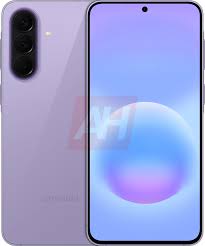
The Galaxy S26 is a landmark device for Samsung. It represents the moment they finally synchronized their hardware, software, and foundry capabilities. The Exynos 2600 isn’t just a “good enough” alternative to Snapdragon; it is a world-class processor that excels in AI, graphics, and power efficiency.
It’s time to stop the memes. It’s time to stop the petitions to bring Snapdragon to every region. It’s time to judge the chip based on what it does in your hand today, not what its predecessor did five years ago.
The Exynos hate was once a valid critique based on real performance gaps. In 2026, that hate is just noise. The Exynos 2600 has earned its place at the top of the mountain. Whether you’re a gamer, a creator, or a professional, the Exynos inside your Galaxy S26 is ready to deliver.
Stop hating. Start creating. The silicon war is over, and we, the consumers, are the winners.
When you purchase through links on our site, we may earn an affiliate commission which helps in keeping this website running. Here’s how it works.
Use the Code ref-09ngex to get 5% off from Samsung

About the Author: Ikhide Uanseoje
Ikhide is a Lagos-based tech creator and the founder of Sam-Universe. He is a Samsung specialist focused on real-world utility, from professional AMV editing workflows to mobile productivity. Follow his journey as he bridges the gap between premium tech and the hustle of student life.